The mobile phone market is one of the fastest evolving industries in the world. Every year, smartphone brands introduce new models with upgraded processors, better cameras, AI-powered features and improved battery performance. As a result, millions of users upgrade their phones frequently, creating a massive global market for used, refurbished and exchange-value smartphones. Understanding the resale price of mobile phones, exchange value and scrap value is essential for any user who wants to recover maximum value before switching to a new device.
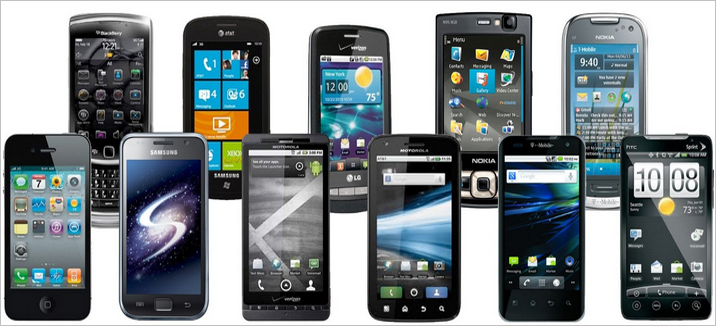
Whether you plan to sell your phone to an end user, trade it at a local shop, or use an exchange offer while buying a new phone, knowing how depreciation works and how the resale market behaves can help you make smarter decisions. This blog explains everything you need to know about mobile phone resale trends, value reduction, market conditions and the best selling options available across the world.
Depreciation begins the moment a new smartphone is purchased. Unlike luxury watches or real estate, smartphones are depreciating electronics because their technology becomes outdated quickly. On average, a mobile phone loses 20% to 35% of its value within the first year and up to 60% to 75% by the third year, depending on the brand and model. Learn more in our guide on depreciation of used products.
Factors that influence depreciation include brand reputation, build quality, availability of spare parts, frequency of software updates and overall physical condition. Premium flagship brands like Apple and Samsung tend to retain higher resale value compared to budget brands, mainly due to better long-term support and strong demand in the pre-owned market.
These values can differ depending on usage conditions, repair history and battery health. Phones with replaced displays, damaged frames or weak batteries drop in value much faster.
The resale price is the amount you can get by selling your old phone directly to another customer or through an online marketplace. This is generally the best option for users looking to maximize value because end buyers typically offer higher amounts compared to shops or exchange programs.
For example, an iPhone 14 Pro Max that originally costs $1099 may resell for $700–$850 within one year depending on condition, while an Android flagship purchased at the same price may resell for $450–$600 or even lower. Explore more with our best resale price guide for old electronics.
Exchange offers are popular because they allow users to trade in their old device while purchasing a new smartphone at a discounted price. Many brands like Apple, Samsung, Xiaomi and OnePlus offer official trade-in programs, while online retail platforms frequently run exchange bundles. Check our exchange value calculator for reference.
The key point to remember is that exchange values are usually 10% to 25% lower than direct resale values. This is because the retailer needs to refurbish the device, manage logistics and resell it again. However, exchange programs are quick, convenient and safe, making them a reliable option for users who prefer a hassle-free process.
When a mobile phone is extremely old, damaged or not functioning at all, its resale value becomes negligible. At this point, the device may only qualify for scrap value. Scrap value is determined by components that can be recycled, including the logic board, camera module, aluminum body, copper wiring, battery materials and display elements. Learn more in our mobile phone scrapping safety guide.
Scrap value is the lowest among selling options and is typically offered to recycling centers, local repair shops or e-waste dealers. However, disposing of devices through authorized recyclers is recommended because it prevents toxic waste from harming the environment.
The global market for second-hand and refurbished smartphones continues to grow rapidly. According to industry reports, the used smartphone market is expanding at nearly 10% to 15% annually, driven by high smartphone prices, interest in sustainability and increased consumer preference for certified refurbished devices. See more on global second-hand market trends.
Choosing the best option depends on the phone's condition and your priorities such as convenience, price and time. Selling directly to an end user offers maximum value, exchange programs offer convenience, and scrap ensures responsible disposal.
By following these tips, you can increase your phone’s resale value by 10% to 25%.