Old Car resale value | Exchange Offer Value of Used Car | Estimate for Used car - Calculator
Used Cars Resale Market Pricing
The used car resale market is one of the largest and fastest-growing sectors in the automobile industry. Whether you are
selling a petrol, diesel, hybrid, or electric vehicle, understanding how resale value is determined helps you set the
right price and negotiate confidently. Several factors directly influence what your car is worth in the second-hand
market. This detailed guide explains these factors and provides tips, valuation categories, and insights to help you get
the best resale price for your used car.
Factors Affecting Resale Value
Every used car has a unique resale value depending on its condition, usage, and demand. Below are the major variables
that influence the pricing of a pre-owned vehicle:
-
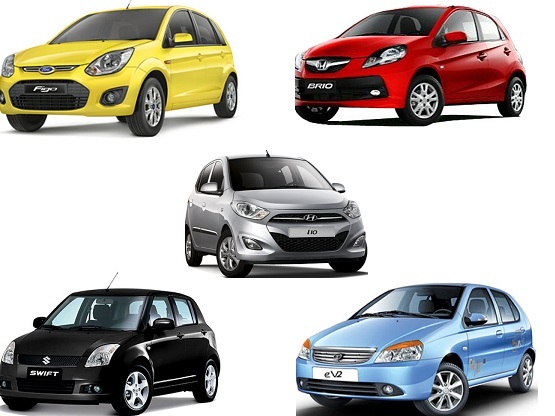
Make and Model
Not all car brands hold their value equally. Some brands have stronger resale markets due to reliability, lower
maintenance costs, long-term durability, and global reputation. Cars from brands such as
Toyota, Honda, Hyundai, Kia, BMW, Audi, Mercedes, Volvo, Tata, Suzuki, Nissan and others tend
to retain higher resale value compared to lesser-known manufacturers.
-
Year of Manufacture
Newer cars generally have a higher resale value. The model year reflects the technology, safety features, engine
efficiency, and design quality. Most cars lose the highest percentage of value in the first five years.
Vehicles older than 10–12 years usually have lower resale value unless they are premium or luxury models.
-
Mileage
Mileage is one of the most important factors buyers consider. A car with lower kilometers is often assumed to
have less wear and tear. As a general guideline:
- Under 50,000 km – Excellent resale potential
- 50,000 to 100,000 km – Moderate price range
- 100,000 km to 150,000 km – Lower market value
- Over 150,000 km – Minimum resale value
Regular long-distance driving reduces resale value faster, especially in compact and mid-size cars.
-
Condition
The exterior, interior, and mechanical condition determine how appealing your car is to buyers. A well-maintained
car with a clean interior, scratch-free exterior, and properly functioning engine, AC, infotainment system, and
brakes commands a much higher price than a poorly-maintained one. Cars with accident history, repainting, or
major replacements attract lower offers.
-
Service History
A documented service record from authorized service centers significantly boosts resale value. Buyers prefer cars
with regular servicing, timely oil changes, and proper maintenance. Cars with lost service records appear risky
to buyers and may affect pricing negatively.
-
Market Demand
Certain models are more popular than others in the used car market. Demand depends on fuel efficiency, spare part
availability, brand reputation, price segment, and usage type. For example, SUVs and compact hatchbacks often have
strong demand, whereas discontinued or niche models may have lower resale interest.
Tips for Getting a Good Resale Value
If you want to maximize the resale value of your used car, follow these essential tips:
- Keep your car well-serviced with regular maintenance.
- Fix minor issues, dents, or scratches before listing it for sale.
- Ensure all documents like RC, insurance, service records, and emission certificates are ready.
- Provide detailed service and repair history to potential buyers.
- Research the market value of your car model using online tools.
- Get the car professionally washed, polished, and detailed.
- Take high-quality photos to attract serious online buyers.
By following these steps and providing complete transparency to buyers, you can significantly increase your car’s
market value.
Used Car Resale Price | Calculate Car Exchange Value
Resale value of a used car is determined by the car manufacturer, model year, engine type (petrol, diesel, CNG, electric),
and overall physical and mechanical condition. Below are the top car manufacturers with competitive resale value:
Volvo, BMW, Audi, Hyundai, Tesla, Nissan, Suzuki, Kia, Force, Tata, Mercedes, Toyota, Honda, Skoda, Jeep
and others.
Used Cars Resale Price Calculator | Used Car Exchange Price
You can calculate the approximate value of your used car using an online Used Car Resale Calculator. These tools provide
a tentative price for:
- Petrol cars
- Diesel cars
- Electric cars
- Hybrid cars
- Luxury vehicles
The calculator considers mileage, ownership history, model year, tire condition, accident history, and overall market
demand to generate a fair value estimate.
Used Car Resale Value Estimate | Find Old Car Resale Value
Exchange Price of Used Cars
Exchange Price of Old Cars
Scrap Value of Non-Usable / Old Cars
- Used Car Resale Estimate Online
- Calculate the Best Price for Used Cars
- Estimate the Exchange Value of Old Cars / Used Cars
- Pre-owned Cars Market Price Based on Condition
- Resale Value of Used Cars
- Imported or Damaged Cars Resale Price
- Car Exchange / Resale Price Calculation for All Countries
- Market Value of Pre-Owned Cars
- Best Resale Value for Used Cars
- Second-Hand Cars Resale Value
- Scrap Value of Old Vehicles
How Resale Value Categories Work
Used car valuation typically provides three price categories, helping sellers understand how pricing changes based on the
type of buyer:
-
Dealer Price: Lowest value, but quickest sale. Dealers offer immediate payment and handle
paperwork, but the price is lower due to their margin.
-
Exchange Price: Offered when you trade your old car while buying a new one. The value is higher
than dealer price but lower than direct customer sales.
-
Customer Price: Highest resale value since you sell directly to private buyers. Requires
negotiation, photos, test drives, and time.
Quotation for Used Car Resale
You can now get a quotation for your used car based on real market data. Car valuation tools consider brand reputation,
initial purchase price, year of manufacturing, kilometers driven, accident history, tire condition, and overall physical
appearance. This helps both sellers and buyers agree on a fair selling price without confusion.
Used Car Pricing Based on Condition
Condition plays a vital role in determining price brackets for used cars:
- Excellent Condition: No dents, clean interior, smooth engine, new tires, full service history.
- Good Condition: Minor scratches, well-functioning engine, acceptable tire life.
- Average Condition: Visible wear and tear, older tires, moderate repairs needed.
- Poor Condition: Accident history, engine issues, missing parts — low resale value.
Scrap Value of Old Cars
If your car is too old, damaged, or beyond repair, scrap value applies. Scrap price is calculated based on:
- Vehicle weight (metal content)
- Engine block condition
- Catalytic converter value
- Battery type (especially electric car batteries)
- Aluminum and steel parts
Electric vehicles have higher scrap value due to their battery components and rare metals.
Old Car Best Resale Price | Used Car Market Valuation
To determine the most accurate resale price for your used car, select the car brand, model, fuel type, variant, and
manufacturing year. Input details like kilometers driven, accident history, number of owners, and service records in
the valuation form.
Once you submit these details, you will receive three different resale prices:
- Dealer Resale Value
- Exchange Value
- Customer-to-Customer Value
This helps you understand the value difference and select the best option based on your selling preference.
Final Thoughts
Selling a used car becomes easy when you understand how the market determines pricing. By evaluating the brand, model,
mileage, condition, and demand, you can calculate a fair resale value and negotiate confidently. Whether you plan to
sell directly to a customer, trade it in at a dealership, or scrap an old vehicle, having accurate valuation knowledge
ensures that you get the maximum price for your car. Maintain your car well, keep documents updated, and choose the
right selling platform for the best resale value possible.