The mobile phone market is one of the fastest evolving industries in the world. Every year, smartphone brands introduce new models with upgraded processors, better cameras, AI-powered features and improved battery performance. As a result, millions of users upgrade their phones frequently, creating a massive global market for used, refurbished and exchange-value smartphones. Understanding the resale price of mobile phones, exchange value and scrap value is essential for any user who wants to recover maximum value before switching to a new device.
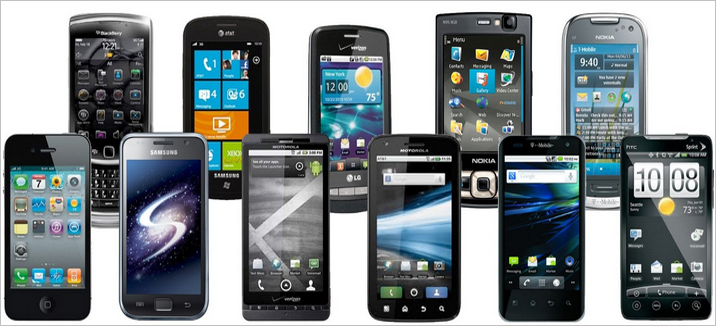
Whether you plan to sell your phone to an end user, trade it at a local shop, or use an exchange offer while buying a new phone, knowing how depreciation works and how the resale market behaves can help you make smarter decisions. This blog explains everything you need to know about mobile phone resale trends, value reduction, market conditions and the best selling options available across the world.
Depreciation begins the moment a new smartphone is purchased. Unlike luxury watches or real estate, smartphones are depreciating electronics because their technology becomes outdated quickly. On average, a mobile phone loses 20% to 35% of its value within the first year and up to 60% to 75% by the third year, depending on the brand and model. Learn more in our guide on depreciation of used products.
Factors that influence depreciation include brand reputation, build quality, availability of spare parts, frequency of software updates and overall physical condition. Premium flagship brands like Apple and Samsung tend to retain higher resale value compared to budget brands, mainly due to better long-term support and strong demand in the pre-owned market.
These values can differ depending on usage conditions, repair history and battery health. Phones with replaced displays, damaged frames or weak batteries drop in value much faster.
The resale price is the amount you can get by selling your old phone directly to another customer or through an online marketplace. This is generally the best option for users looking to maximize value because end buyers typically offer higher amounts compared to shops or exchange programs.
For example, an iPhone 14 Pro Max that originally costs $1099 may resell for $700–$850 within one year depending on condition, while an Android flagship purchased at the same price may resell for $450–$600 or even lower. Explore more with our best resale price guide for old electronics.
Exchange offers are popular because they allow users to trade in their old device while purchasing a new smartphone at a discounted price. Many brands like Apple, Samsung, Xiaomi and OnePlus offer official trade-in programs, while online retail platforms frequently run exchange bundles. Check our exchange value calculator for reference.
The key point to remember is that exchange values are usually 10% to 25% lower than direct resale values. This is because the retailer needs to refurbish the device, manage logistics and resell it again. However, exchange programs are quick, convenient and safe, making them a reliable option for users who prefer a hassle-free process.
When a mobile phone is extremely old, damaged or not functioning at all, its resale value becomes negligible. At this point, the device may only qualify for scrap value. Scrap value is determined by components that can be recycled, including the logic board, camera module, aluminum body, copper wiring, battery materials and display elements. Learn more in our mobile phone scrapping safety guide.
Scrap value is the lowest among selling options and is typically offered to recycling centers, local repair shops or e-waste dealers. However, disposing of devices through authorized recyclers is recommended because it prevents toxic waste from harming the environment.
The global market for second-hand and refurbished smartphones continues to grow rapidly. According to industry reports, the used smartphone market is expanding at nearly 10% to 15% annually, driven by high smartphone prices, interest in sustainability and increased consumer preference for certified refurbished devices. See more on global second-hand market trends.
Choosing the best option depends on the phone's condition and your priorities such as convenience, price and time. Selling directly to an end user offers maximum value, exchange programs offer convenience, and scrap ensures responsible disposal.
By following these tips, you can increase your phone’s resale value by 10% to 25%.
The resale price of a smartphone is calculated based on its brand, specific model, internal storage variant, age, physical cosmetic condition, screen functionality, battery health percentage, and live market demand.
Before handing over your phone, you must back up all your personal data (to iCloud or Google Drive), remove your SIM and memory cards, sign out of all accounts (Apple ID or Google account), disable tracking features, and perform a complete factory reset.
Yes, selling online is safe as long as you use trusted buyback platforms or verified trade-in services that offer secure digital payments, doorstep pickup, and professional data deletion guarantees.
You can check your phone's unique IMEI number by dialing *#06# on your device keypad. The IMEI number helps verify device authenticity, check if it matches the original box, and confirm it isn't blacklisted.
The ideal time to sell your phone is just before a new generation model is officially launched, or within 12 to 18 months of purchase, before rapid tech depreciation sets in.
Yes, many online resale platforms and exchange portals accept damaged or broken phones, though the final valuation will be reduced to account for screen replacement and repair costs.
Having the original box, invoice bill, and fast charger doesn't drastically change the core value, but it significantly improves buyer trust, proves legal ownership, and helps secure a faster sale at the higher end of your quoted price range.
Failing to sign out leaves the device locked under Activation Lock or Factory Reset Protection (FRP). The buyer or inspection agent will not be able to set up the phone, which will result in an immediate cancellation of the resale or exchange deal.
Generally, you cannot cleanly resell a device with ongoing, unpaid financing. The loan must be fully paid off, and any carrier locks removed, before a buyback provider or buyer will accept the ownership transfer.
For modern smartphones (especially iPhones), a battery health percentage dropping below 80% signals that a replacement is needed, which leads to a direct reduction in the final resale or exchange quote.
Brand store exchanges offer instant convenience and direct discounts when buying a new phone. However, online specialized buyback websites often provide more competitive cash valuations and convenient free doorstep pickups.
To maximize your return, keep your phone in a protective case with a screen guard from day one, compare quotes across multiple buyback sites, and sell the device while it still retains active manufacturer warranty months.
A trade-in involves giving your old phone directly to a retailer or manufacturer in exchange for credit toward a new purchase, whereas a direct resale involves selling your device to an individual buyer or independent platform for cash.
Valuation apps give close estimates provided you answer questions about the phone's functional and cosmetic condition honestly. If the physical evaluation during pickup reveals unreported scratches or faults, the price will be adjusted downward.
Be completely transparent about minor blemishes when listing the phone or running an online self-assessment. Hiding minor flaws leads to failed physical inspections and disputed price re-quotes at the time of collection.
Reputable resale companies use specialized software to run secure, multi-pass data wiping protocols during refurbishment, ensuring all personal files, photos, and cached credentials are completely unrecoverable.
Yes, many recycling and buyback services accept "dead" or non-functional phones for parts and scrap value, though the payout will be minimal compared to a working unit.
Yes, certified pre-owned or refurbished phones undergo rigorous multi-point quality checks covering hardware performance, battery capacity, camera functions, and network connectivity before being cleared for resale.
With most modern buyback platforms, a representative arrives at your location scheduled at your convenience, inspects the device within 10 to 15 minutes, and executes an instant digital payment (via UPI or bank transfer) upon successful verification.
Flagship models from brands like Apple and Samsung receive longer software update support, use premium build materials, and maintain high brand aspiration, allowing them to retain a larger percentage of their original value over time compared to budget devices.
While not always compulsory, including the original OEM charging cable and brick makes the package more attractive to buyers and can help you clinch the upper limit of your asking price.
To avoid fraud on peer-to-peer marketplaces, always meet in safe, public spaces (like a bank lobby or near a police station), accept instant digital payment confirmation before handing over the device, and avoid accepting unverified screenshots or cheques.
Phones that are completely obsolete or beyond repair are sent to authorized e-waste recycling facilities where precious metals are safely extracted, and toxic components are disposed of sustainably to protect the environment.
Yes, rooting an Android device or jailbreaking an iPhone typically voids remaining warranties, compromises security architecture, and causes inspection systems on trade-in platforms to flag the device, lowering its resale price.