Find Gold jewells Resale Exchange value today
Gold Resale and Exchange Value Guide | Sell or Upgrade Your Jewelry
Selling or exchanging gold jewelry, coins, or armaments can be a profitable and strategic decision if done correctly. Understanding the factors that affect gold value, current market trends, and how jewelers calculate resale or exchange prices is essential for making informed decisions.
Factors Affecting Gold Resale Value
The resale value of gold depends on several important factors. Let’s explore each one in detail:
-
Purity of Gold (Karat)
The karat value of gold significantly influences its price. Higher karat gold contains more pure gold and less alloy, making it more valuable. Common purities include:
- 24K – 99.9% pure gold, highest value
- 22K – 91.6% pure gold, popular for jewelry
- 18K – 75% pure gold, common for luxury pieces
- 14K – 58.3% pure gold, durable but lower resale value
-
Weight of the Gold Item
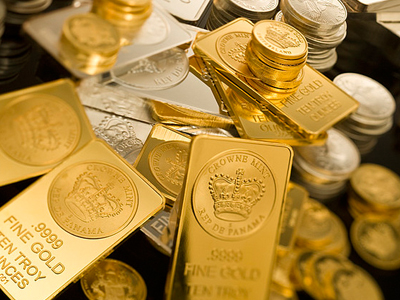
The heavier the gold item, the higher its intrinsic value. Weight is measured in grams or troy ounces. For example, a 10-gram 22K gold necklace will naturally have a higher base value than a 5-gram chain of the same purity.
-
Current Market Price of Gold
Gold prices fluctuate daily based on global demand, currency trends, and geopolitical events. Jewelers and buyers calculate resale value according to the current price per gram or per ounce of gold. Always check the market price before selling.
-
Design, Craftsmanship, and Brand
Intricately designed jewelry or pieces from premium brands can carry a higher resale value. For instance, gold from reputed brands like Tanishq, Kalyan, or international designers often commands a premium over generic items.
-
Condition of the Gold Item
Items in excellent condition, with minimal wear or scratches, can fetch higher resale or exchange prices. Damaged or heavily worn items may be valued closer to their scrap gold price.
-
Type of Gold Item
The type of gold affects pricing. Categories include:
- Jewelry – rings, necklaces, bangles, bracelets
- Coins – collectible or bullion coins
- Bars – standard investment gold bars
- Ornaments with gemstones – resale value may vary based on gemstone quality
-
Exchanging for New Jewelry or Armaments
Many jewelers offer trade-in options, allowing customers to exchange old gold for new pieces. The exchange price often considers:
- Current gold market rate
- Purity and weight of the gold
- Any making charges that can be adjusted against the new purchase
- Design and brand premium of new jewelry
-
Negotiation and Market Awareness
Being informed about the current gold rate and comparable offers from multiple buyers allows you to negotiate better. Jewelers sometimes offer additional discounts or premiums for loyal customers or bulk trade-ins.
How to Calculate Gold Resale Value
Calculating resale value involves combining the gold purity, weight, and current market price. A simplified formula is:
Gold Resale Value = Weight (grams) × Purity Factor × Current Gold Price per Gram
- Example 1: 22K gold necklace weighing 10 grams, gold price ₹5,000 per gram
Calculation: 10 × 0.916 × 5,000 = ₹45,800
- Example 2: 24K gold coin weighing 20 grams, gold price ₹5,000 per gram
Calculation: 20 × 1.0 × 5,000 = ₹100,000
Note: Jewelers may deduct small margins or making charges for resale, but the above gives a base estimate.
Tips for Selling Gold Jewelry for Maximum Value
- Check daily gold rates before visiting the buyer.
- Compare offers from multiple jewelers or gold dealers.
- Present gold in clean and polished condition.
- Keep original bills, certificates, or hallmark papers handy.
- Consider selling in bulk if you have multiple items for better negotiation leverage.
Exchanging Old Gold for New Jewelry
Exchanging old gold can be an economical way to upgrade your collection:
- Determine the net weight and purity of your old gold.
- Ask the jeweler for trade-in value before selecting new items.
- Factor in making charges of new jewelry to calculate overall cost.
- Look for promotional offers on exchange programs; many stores waive making charges partially or fully.
Common Mistakes to Avoid When Selling Gold
- Selling without checking the current market rate
- Ignoring the purity and weight verification
- Not comparing multiple buyers
- Failing to ask about making charges or deductions
- Rushing to sell without negotiation
FAQs About Gold Resale and Exchange
Q1: How can I verify the purity of my gold at home?
A: You can check the hallmark stamped on your jewelry, or use home testing kits. For precise valuation, jewelers can perform professional purity tests.
Q2: Should I sell gold to a jeweler or a gold dealer?
A: Jewelers may offer trade-in options for new jewelry, while gold dealers may give slightly higher cash payouts. Compare offers for the best deal.
Q3: Does the condition of gold jewelry affect its resale price?
A: Yes, worn or damaged jewelry may be valued closer to scrap gold, whereas items in excellent condition can command higher resale or exchange prices.
Q4: Can I exchange broken gold jewelry?
A: Most jewelers accept broken or damaged gold for exchange or resale, valuing it based on weight and purity.
Q5: Is selling gold online safe?
A: Reputable online platforms can be safe, but ensure they provide accurate weight verification, secure shipping, and transparent pricing before selling.
Conclusion
Selling or exchanging gold can be a profitable endeavor if approached carefully. By understanding factors like purity, weight, market prices, condition, and brand value, you can maximize returns on your gold items. Always compare offers, ask about deductions, and explore trade-in options to get the best deal. Whether you are upgrading jewelry or liquidating assets, informed decisions ensure that you get a fair and valuable exchange.