Selling a used scooter, motorcycle, or any two-wheeler requires understanding the factors that determine its resale or exchange value. The resale market for two-wheelers has grown rapidly, with buyers seeking well-maintained scooters, bikes, and electric two-wheelers. Knowing the market value ensures you get a fair price when selling or exchanging your vehicle.
The resale price of a two-wheeler depends on several key factors. Buyers and dealers carefully evaluate these aspects before offering a price.
Popular and trusted brands such as Honda, Yamaha, Suzuki, Bajaj, TVS, Hero, KTM, Royal Enfield, and Harley-Davidson retain their resale value better. Premium models with advanced features or limited editions also fetch higher prices.
A well-maintained two-wheeler is more likely to get a good resale value. Condition includes the engine health, mileage, brakes, tires, body, paint, and overall mechanical performance. Regular servicing and timely repairs enhance the perceived value.
Newer bikes and scooters generally command a higher resale value. Two-wheelers older than 5–7 years tend to lose value faster due to wear, depreciation, and newer models entering the market.
Resale value also depends on how popular the model is in the second-hand market. Bikes with high demand or those with fuel efficiency, low maintenance, and spare part availability often sell faster and at better rates.
Any aftermarket modifications such as upgraded exhausts, custom paint, alloy wheels, or performance enhancements can affect resale value. While some buyers may appreciate modifications, others prefer stock configurations, so this factor can positively or negatively influence pricing.
Selling your two-wheeler to a dealer for exchange involves a slightly different pricing approach. Dealers aim to resell vehicles quickly, so their valuation focuses on future profitability.
Dealers consider the resale potential of the brand and model in their inventory. Popular models are preferred as they sell faster.
The dealer inspects the overall condition, engine performance, tire wear, brakes, and any damages. Repairs or service requirements reduce the offered price.
If you are purchasing a new bike from the same dealer, the exchange value may be slightly higher as the dealer adjusts the balance price for the new vehicle.
Dealers evaluate market trends and demand for specific models. Bikes with higher market demand often receive better exchange offers.
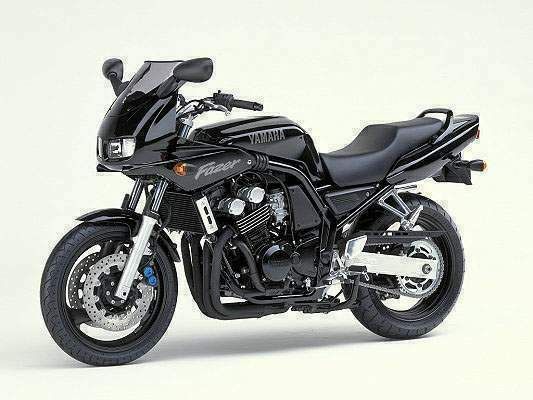
Negotiation plays a crucial role in determining the final resale or exchange price. A well-prepared seller who provides accurate information about the bike’s condition, service history, and accessories can get a better deal.
Two-wheeler resale prices are often calculated based on the manufacturer, model, engine type, year of manufacturing, mileage, and overall condition. Top scooter and bike manufacturers with strong resale value include:
Honda, Yamaha, Suzuki, Bajaj, TVS, Hero, KTM, Royal Enfield, Harley-Davidson, Vespa, and other well-known brands.
To get an accurate resale estimate, select the brand and model, fill in details such as engine capacity, year of purchase, mileage, and condition in the online resale calculator. Once submitted, you can receive the resale price in three major categories: Dealer, Exchange, and Customer.
An online two-wheeler resale calculator helps estimate the current market value of your bike or scooter. It considers:
By providing all relevant details, you can generate a price estimate for the three categories (Dealer, Exchange, Customer) and understand the potential difference in offers.
If your scooter or bike is no longer usable, you can calculate its scrap value. Scrap value is based on the following:
Even non-functional two-wheelers have value as scrap, and selling them to authorized scrap dealers ensures proper disposal and partial recovery of costs.
The resale and exchange market for scooters, motorcycles, and electric two-wheelers is highly dynamic. Brand reputation, condition, age, mileage, and market demand are the key factors determining value. By using an online resale calculator, providing accurate details, and presenting the vehicle well, you can achieve the best possible resale or exchange price. Even if your vehicle is no longer functional, the scrap value ensures some return on investment. Whether selling directly to a customer, trading with a dealer, or scrapping an old two-wheeler, understanding the market is crucial for a fair transaction.