The market for used laptops and notebooks has skyrocketed in recent years. Professionals, students, and casual users upgrade frequently, creating a booming second-hand ecosystem. Platforms for resale, trade-in programs, and recycling centers are thriving. Whether you're selling to a buyer, trading in, or recycling a broken device, understanding depreciation, market trends, and best selling options will help you recover maximum value.
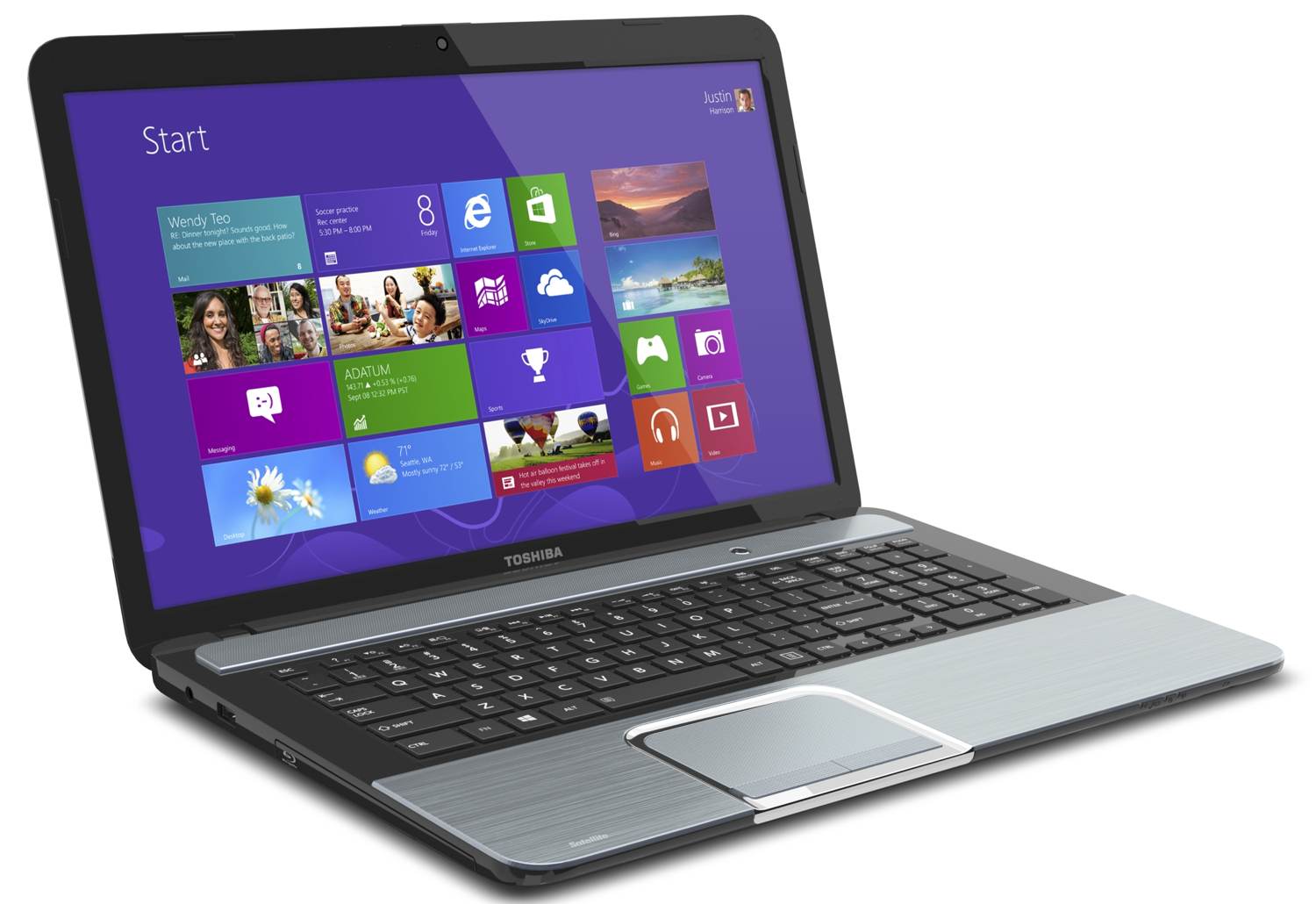
Depreciation is inevitable. As newer models come with faster processors, longer battery life, and better build materials, older laptops lose value quickly. Typically, a laptop may depreciate 20% to 40% in the first year, depending on brand, condition, and usage. After two years, total depreciation can reach 50% or more.
Key factors affecting depreciation include brand reputation, build quality, frequency of updates, battery health, and physical condition. Premium brands like Apple, Microsoft, and Dell retain value better than budget or legacy brands. Damaged laptops with poor batteries or outdated specs depreciate faster.
Well-maintained MacBooks may lose value slower than mid-range Windows laptops. Replacing parts like SSDs, RAM, or batteries can increase resale value.
Resale value is the price you can get by selling your laptop directly to a buyer via marketplaces, classified ads, or refurbished electronics stores. Resale typically provides the highest returns, but requires effort.
For example, a 2020 MacBook Air bought for $999 may resell for $650–$800 after one year, depending on battery cycles and condition. Budget laptops like Chromebooks may resell for $150–$250 if in good condition.
Trade-in programs are convenient and offered by brands like Apple, Dell, Lenovo, and Microsoft, as well as large retailers. These offers are usually 10%–30% lower than direct resale because retailers refurbish devices and manage logistics. Trade-ins are risk-free, fast, and sometimes include free shipping or pickup.
If a laptop is beyond repair, scrap or recycling may be your only option. Scrap value is determined by reusable components such as motherboard parts, precious metals, plastics, batteries, and aluminum/magnesium housing. Certified recyclers pay for these parts and help reduce e-waste responsibly.
The global second-hand electronics market is growing rapidly, and laptops are among the most traded devices. Factors include rising laptop prices, sustainability awareness, and demand for certified refurbished business laptops. Trade-in programs also drive market growth, especially in the US, UK, and Europe.
The right choice depends on your goals: maximize value, minimize effort, or recycle responsibly.
Offers the highest value. Platforms like eBay, Craigslist, Facebook Marketplace reach serious buyers. Time-consuming but maximizes profit.
Fast and convenient; prices are usually 15%–35% lower. Ideal for older laptops or devices with cosmetic issues.
Convenient and low-risk. Retailers like Apple, Microsoft, and Lenovo often provide trade-in deals with discounts on new laptops.
Sustainable option for non-functional laptops. Recyclers or e-waste centers may offer small compensation.
End-user deals carry payment risks; ensure secure transactions. Trade-ins may have restocking fees or void warranties. For recycling, choose certified e-waste facilities and wipe all data.
Use our laptop resale calculator to estimate resale, trade-in, and scrap values for brands like Dell, HP, Lenovo, Asus, Acer, Apple, Microsoft Surface, and more. View estimates for Dealer, Exchange, and Customer Resale categories.
Estimate the market price of any used laptop, whether branded or non-branded. Our tool helps sellers make informed decisions before selling, trading, or recycling devices.
The resale value depends on brand, model, age, physical condition, battery health, specifications (RAM, CPU, storage), accessories, and warranty coverage. Premium brands like Apple or Dell often retain higher value.
Typically, laptops lose 20–40% of their value in the first year. By the second year, depreciation can reach 50–60%, and after 3–4 years, resale value drops significantly, often shifting to trade-in or recycling.
Yes, selling to an individual usually provides the highest resale value, although it requires effort to list, negotiate, and ship. Trade-ins are convenient but generally offer 10–30% less.
Yes! Keep it in good condition, replace worn batteries, retain original accessories and documentation, document upgrades (RAM/SSD), perform software maintenance, and sell before new models are released.
Scrap value is the amount you get from recycling your old or broken laptop. It depends on recyclable materials like motherboard components, precious metals, batteries, and aluminum or magnesium housing.
North America and Europe have high demand for premium refurbished laptops. India, Southeast Asia, Latin America, and Africa also see strong demand due to affordability and business/student needs.