Find Silver best exchange resale offer value in market now - Calculator
Silver Armaments, Gifts, and Ornaments | Resale and Exchange Value Guide
Silver items, including armaments, gifts, coins, and ornaments, are not only cherished for their beauty but also hold significant monetary value. Selling or exchanging silver can be a profitable venture when you understand the factors that affect its pricing. This guide explains everything you need to know about silver resale and exchange.
Factors Affecting Silver Resale and Exchange Value
The resale value of silver depends on several factors. Let’s explore each one in detail:
-
Purity of Silver
Silver purity, measured in percentages or fineness (e.g., 925 sterling silver or 999 pure silver), plays a crucial role in valuation. Higher purity silver commands higher resale value because it contains more actual silver content.
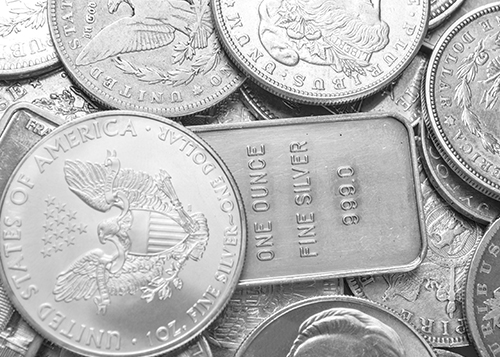
- 999 Fine Silver – 99.9% pure silver, highest value
- 950 Silver – 95% pure, often used in high-end armaments
- 925 Sterling Silver – 92.5% pure, widely used in jewelry and gifts
-
Weight of the Silver Item
The weight directly impacts the value. Heavy items like silver statues, trays, or armaments naturally have higher intrinsic value compared to lighter pieces like rings or small decorative items.
-
Design and Craftsmanship
Intricate designs and skilled craftsmanship increase the value of silver items. Handcrafted pieces, antique armaments, or items with detailed engraving can fetch a premium price in the resale or exchange market.
-
Condition of Silver
Well-maintained silver items with minimal tarnish, scratches, or dents are valued higher. Polished and clean items appear more appealing to buyers and may receive higher trade-in offers at jewelers.
-
Market Demand
The demand for specific silver items influences pricing. Decorative silver, limited-edition coins, or collectible armaments often see higher resale value due to popularity in the market.
-
Current Silver Market Price
Silver prices fluctuate daily, influenced by global market trends, currency rates, and industrial demand. Sellers should always check the latest market rate before selling or exchanging silver items.
-
Brand or Designer
Silver items from reputed brands or designers may have higher perceived value. For example, collectible silver from renowned silversmiths can attract premium resale or exchange offers.
-
Type of Silver Item
The category of the item impacts resale and exchange value:
- Armaments – ceremonial swords, daggers, or shields
- Gifts – silver trophies, plates, or commemorative items
- Ornaments – necklaces, bracelets, rings
- Coins and Bars – investment-grade bullion
-
Exchanging Silver for New Items
Many jewelers and silver dealers allow trade-ins, letting you exchange old silver items for new products. The exchange value typically considers:
- Weight and purity of the old silver
- Market silver price
- Design and craftsmanship of the new item
- Promotions or discounts offered by the jeweler
-
Negotiation and Informed Selling
Being informed about current silver prices, market demand, and comparable items allows sellers to negotiate better deals. Always request multiple quotes from dealers or jewelers to maximize returns.
How to Calculate Silver Resale Value
The resale value of silver can be calculated using the formula:
Silver Resale Value = Weight (grams) × Purity Factor × Current Silver Price per Gram
- Example 1: 500g 925 sterling silver plate, silver price ₹70 per gram
Calculation: 500 × 0.925 × 70 = ₹32,375
- Example 2: 200g 999 pure silver coin, silver price ₹70 per gram
Calculation: 200 × 1.0 × 70 = ₹14,000
Note: Dealers or jewelers may deduct small margins for processing, polishing, or making charges.
Tips for Selling Silver Items for Maximum Value
- Check daily silver rates before selling or exchanging.
- Clean and polish silver items for better presentation.
- Obtain original certificates or bills if available.
- Compare offers from multiple dealers or jewelry stores.
- Consider selling in bulk for higher negotiation leverage.
- Use professional valuation services for rare or antique items.
Exchanging Silver for New Jewelry or Gifts
Exchanging silver is a cost-effective way to upgrade items:
- Determine the net weight and purity of your silver items.
- Request trade-in value from jewelers before selecting new items.
- Factor in making charges of new items to calculate overall cost.
- Look for promotional offers where making charges are partially or fully waived.
Common Mistakes to Avoid When Selling Silver
- Ignoring the current market rate of silver
- Not verifying the purity of your silver items
- Rushing to sell without comparing offers
- Neglecting documentation, bills, or certificates
- Overlooking making charges or dealer deductions
FAQs About Silver Resale and Exchange
Q1: How do I verify the purity of silver?
A: Look for hallmarks such as 925, 950, or 999. For precise verification, professional testing using acid tests or electronic testers is recommended.
Q2: Can I sell broken or damaged silver?
A: Yes. Silver is typically valued based on weight and purity, so broken items can still fetch a fair resale price or be used in trade-ins.
Q3: Should I sell silver to a jeweler or silver dealer?
A: Dealers may offer slightly higher cash payouts, while jewelers often provide trade-in options for new items. Comparing both can ensure the best deal.
Q4: Does the design of silver items affect resale price?
A: Yes. Intricately designed or collectible items often carry a premium beyond their intrinsic metal value.
Q5: Is selling silver online safe?
A: Reputable platforms can be safe. Ensure they provide transparent weight verification, secure shipping, and guaranteed payment.
Conclusion
Silver items, from armaments to jewelry and gifts, hold both sentimental and monetary value. By understanding factors such as purity, weight, condition, market price, and design, sellers can maximize resale or exchange value. Always check current silver rates, compare offers, and consider trade-in options to upgrade items or receive optimal returns. Informed decisions ensure a fair and profitable transaction whether you sell silver for cash or exchange it for new products.