The market for used desktop computers has grown significantly as businesses and home users upgrade regularly. Understanding the resale, trade-in, and scrap value of desktop computers can help you recover maximum value. Whether you're selling to end-users, exchanging at retail, or recycling, knowing key pricing factors is essential.
Desktop computers depreciate over time due to advancing technology, changing specifications, and wear and tear. Typically, desktops lose 20%–30% of their value in the first year, with further depreciation in subsequent years. Components like CPU, RAM, storage, and GPU impact how much value a desktop retains.
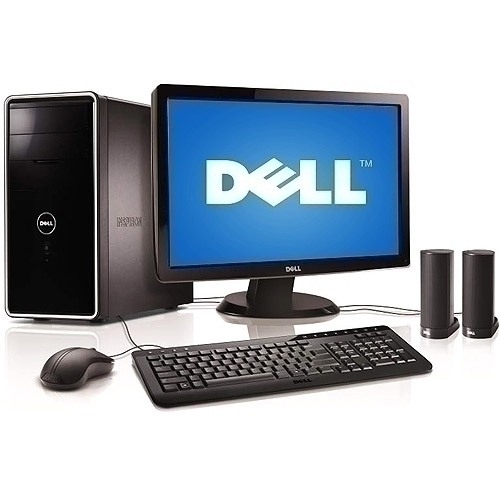
For more details on depreciation of used products, see our guide on Understanding Depreciation of Used Products.
Depending on your desktop’s condition and your goals, you have several options:
Selling directly often gives the highest returns. Platforms like eBay, Facebook Marketplace, or local classifieds can help. Ensure detailed specs, photos, and condition notes are included. Learn how to safely sell used electronics: Selling Used Items Online Safely.
Retailers and manufacturers often provide trade-in programs. You can exchange old desktops for discounts on new models. Trade-in values are usually 10%–25% lower than direct resale but are fast and convenient. See our exchange value calculator: Desktop Exchange Value Calculator.
If the desktop is non-functional or very old, recycling is the best option. Scrap value depends on components like motherboard, RAM, metals, and plastics. Learn more about safe e-waste disposal: Electronic Waste Disposal and Scrap Safety.
Use our calculator to get accurate resale, trade-in, and scrap estimates. We cover global desktop brands including Apple, HP, Dell, Lenovo, Acer, Microsoft, Samsung, Toshiba, HCL, and Wipro.
Simply select your desktop brand, model, and specifications in the form above. You’ll receive three price types: Dealer Price, Exchange Offer, and Customer Resale Value. This helps you understand the market value clearly.
Understanding the resale, exchange, and scrap value of desktop computers helps you make informed decisions and maximize your returns. Research market trends, maintain your system, and choose the option that best fits your needs whether resale, trade-in, or responsible recycling.
When selling or exchanging your desktop computer, understanding the factors that influence its market value is crucial. Buyers and retailers consider multiple aspects before making an offer, and being aware of these can help you maximize returns.
Newer desktop computers generally retain higher resale and exchange value compared to older models. High-demand business and gaming desktops, such as Apple iMacs or high-performance HP and Dell workstations, typically hold better value over time. Older models may require more investment in repairs, reducing their resale price.
Certain brands are perceived as more reliable, durable, or innovative. Premium brands like Apple, Dell, and Lenovo often fetch higher resale offers. Lesser-known brands or generic PCs may sell for lower amounts even if the hardware specifications are similar.
High-performance hardware boosts resale value. Factors include:
A well-maintained desktop with minimal scratches, clean internals, and fully functional peripherals will attract better offers. Regular cleaning, dust-free interiors, and intact casing make a significant difference. Buyers are often willing to pay more for desktops that don’t require immediate repairs or upgrades.
The resale value of desktop computers is also influenced by the current market demand. For example, demand spikes for gaming desktops or workstations during new game releases or remote work trends. Monitoring local classifieds and resale marketplaces can help you price your desktop competitively.
Upgraded components can increase resale value. Installing additional RAM, replacing an HDD with an SSD, or upgrading a graphics card enhances performance and makes your desktop more attractive to buyers. Ensure that all modifications are documented and that original parts are available for buyers who may prefer them.
Including original accessories such as keyboards, mice, power cables, monitors, and packaging can significantly boost your desktop’s resale value. Buyers prefer complete packages, especially when the desktop is intended for professional or office use.
Before listing your desktop, perform a thorough cleanup. Remove unnecessary files, reinstall or update the operating system, and reset factory settings if possible. Take high-quality photos and provide a detailed specification list to attract serious buyers. Transparency about any repairs or issues builds trust and increases the likelihood of a faster sale at a fair price.
You can link this content to relevant internal pages, such as: