The market for used desktop computers has grown significantly as businesses and home users upgrade regularly. Understanding the resale, trade-in, and scrap value of desktop computers can help you recover maximum value. Whether you're selling to end-users, exchanging at retail, or recycling, knowing key pricing factors is essential.
Desktop computers depreciate over time due to advancing technology, changing specifications, and wear and tear. Typically, desktops lose 20%–30% of their value in the first year, with further depreciation in subsequent years. Components like CPU, RAM, storage, and GPU impact how much value a desktop retains.
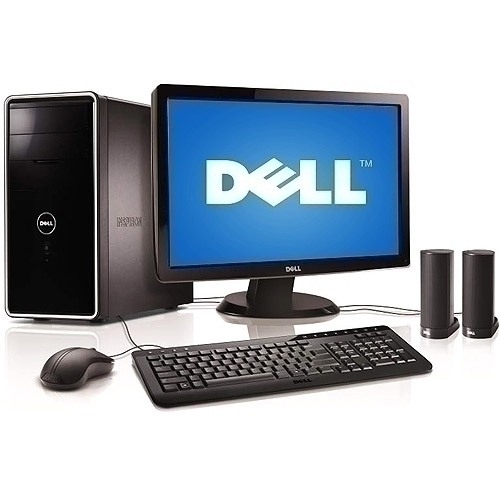
For more details on depreciation of used products, see our guide on Understanding Depreciation of Used Products.
Depending on your desktop’s condition and your goals, you have several options:
Selling directly often gives the highest returns. Platforms like eBay, Facebook Marketplace, or local classifieds can help. Ensure detailed specs, photos, and condition notes are included. Learn how to safely sell used electronics: Selling Used Items Online Safely.
Retailers and manufacturers often provide trade-in programs. You can exchange old desktops for discounts on new models. Trade-in values are usually 10%–25% lower than direct resale but are fast and convenient. See our exchange value calculator: Desktop Exchange Value Calculator.
If the desktop is non-functional or very old, recycling is the best option. Scrap value depends on components like motherboard, RAM, metals, and plastics. Learn more about safe e-waste disposal: Electronic Waste Disposal and Scrap Safety.
Use our calculator to get accurate resale, trade-in, and scrap estimates. We cover global desktop brands including Apple, HP, Dell, Lenovo, Acer, Microsoft, Samsung, Toshiba, HCL, and Wipro.
Simply select your desktop brand, model, and specifications in the form above. You’ll receive three price types: Dealer Price, Exchange Offer, and Customer Resale Value. This helps you understand the market value clearly.
Understanding the resale, exchange, and scrap value of desktop computers helps you make informed decisions and maximize your returns. Research market trends, maintain your system, and choose the option that best fits your needs whether resale, trade-in, or responsible recycling.
When selling or exchanging your desktop computer, understanding the factors that influence its market value is crucial. Buyers and retailers consider multiple aspects before making an offer, and being aware of these can help you maximize returns.
Newer desktop computers generally retain higher resale and exchange value compared to older models. High-demand business and gaming desktops, such as Apple iMacs or high-performance HP and Dell workstations, typically hold better value over time. Older models may require more investment in repairs, reducing their resale price.
Certain brands are perceived as more reliable, durable, or innovative. Premium brands like Apple, Dell, and Lenovo often fetch higher resale offers. Lesser-known brands or generic PCs may sell for lower amounts even if the hardware specifications are similar.
High-performance hardware boosts resale value. Factors include:
A well-maintained desktop with minimal scratches, clean internals, and fully functional peripherals will attract better offers. Regular cleaning, dust-free interiors, and intact casing make a significant difference. Buyers are often willing to pay more for desktops that don’t require immediate repairs or upgrades.
The resale value of desktop computers is also influenced by the current market demand. For example, demand spikes for gaming desktops or workstations during new game releases or remote work trends. Monitoring local classifieds and resale marketplaces can help you price your desktop competitively.
Upgraded components can increase resale value. Installing additional RAM, replacing an HDD with an SSD, or upgrading a graphics card enhances performance and makes your desktop more attractive to buyers. Ensure that all modifications are documented and that original parts are available for buyers who may prefer them.
Including original accessories such as keyboards, mice, power cables, monitors, and packaging can significantly boost your desktop’s resale value. Buyers prefer complete packages, especially when the desktop is intended for professional or office use.
Before listing your desktop, perform a thorough cleanup. Remove unnecessary files, reinstall or update the operating system, and reset factory settings if possible. Take high-quality photos and provide a detailed specification list to attract serious buyers. Transparency about any repairs or issues builds trust and increases the likelihood of a faster sale at a fair price.
You can link this content to relevant internal pages, such as:
Custom-built gaming PCs typically depreciate faster in total lump-sum value because individual parts (like GPUs and CPUs) launch rapidly on new generations, whereas pre-built branded desktops from HP, Dell, or Lenovo retain a steadier baseline resale value for office or home environments due to standardized warranties.
Yes, many sellers extract high-end graphics cards to sell them separately or carry them over to a new build, selling the remaining desktop base (CPU, RAM, motherboard, PSU) as a budget office or gaming rig, though you will need to clearly advertise it as "GPU-less" at a discounted price.
A simple format or factory reset is not enough because data can be recovered. You should use specialized secure wiping software like DBAN (Darik's Boot and Nuke) for HDDs or manufacturer secure-erase utilities for NVMe SSDs to overwrite the sectors permanently before handing the PC over.
Buyers focus heavily on the exact CPU generation (e.g., Intel 13th Gen or AMD Ryzen 7000 series), GPU model (e.g., RTX 3060 vs 4070), total RAM capacity and speed, storage type and health (NVMe SSD status), and the wattage and rating of the power supply unit (PSU).
Keeping original hardware boxes does not change the performance value, but it significantly boosts buyer confidence, proves genuine ownership, makes shipping much safer if sold online, and helps command the highest price among enthusiast PC builders.
You can run standard stress-testing and benchmarking tools like Cinebench, 3DMark, or Unigine Heaven in front of the buyer or provide screenshots showing stable temperatures and no thermal throttling under heavy CPU and GPU loads.
Parting out an old desktop (selling the CPU, GPU, RAM, and motherboard individually) usually yields more total cash return, but selling it as a complete system is much faster, less tedious, and saves you from dealing with multiple separate buyers.
The most common barriers are unrealistic pricing based on original purchase price rather than current market value, dusty/uncleaned interior components, lack of a dedicated GPU in a gaming listing, or vague component descriptions that do not specify exact model numbers.
A reputable 80+ Gold certified power supply from trusted brands like Corsair, Seasonic, or EVGA adds major value and peace of mind because buyers know the internal components are protected from power surges, whereas generic "off-brand" PSUs often force buyers to factor in a replacement cost.
Traditional brick-and-mortar retail stores rarely accept full desktop computers for direct trade-ins due to size, varied custom configurations, and lack of standardized appraisal tools. Desktops are almost exclusively resold through peer-to-peer marketplaces, specialized local PC shops, or dedicated hardware enthusiast platforms.