Selling or exchanging your used washer or washing machine requires careful consideration to ensure you get a fair price. Whether you are upgrading to a newer model, selling it for cash, or trading it in, understanding the resale and exchange value of your appliance is key. Several factors influence the resale price, and knowing them can help you make informed decisions and maximize the value of your used washer.
The resale price of a washer depends on multiple aspects, including brand, model, condition, age, and features. Here is a detailed breakdown of key factors:
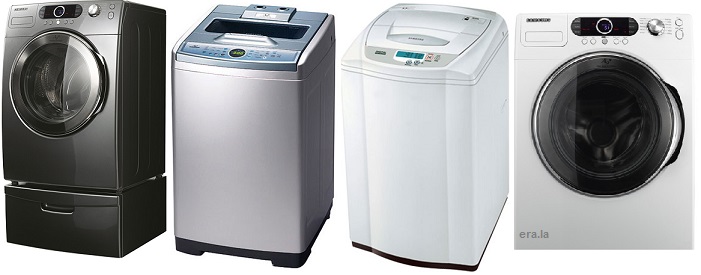
The age of the washer is one of the primary determinants of its resale value. Newer washers tend to retain higher value, while older models depreciate more over time. Additionally, the overall condition, including physical appearance and operational functionality, significantly affects the price.
Popular and reputable brands such as Samsung, LG, Whirlpool, Bosch, and IFB typically command higher resale prices. Buyers trust well-known brands due to their reliability and longer lifespan. Less recognized brands or older models may sell for lower rates.
Washers with advanced technology such as smart controls, multiple wash cycles, energy-efficient motors, and automatic detergent dispensers are more appealing in the second-hand market. Buyers are willing to pay extra for modern features that enhance convenience and performance.
Energy-efficient washers reduce electricity and water consumption. Appliances labeled with higher energy star ratings or eco-friendly technology are more attractive to buyers and may fetch better resale prices.
The washer’s drum capacity plays a key role in resale value. Large-capacity washers (7–10 Kg) are preferred for families, while smaller washers (5–6 Kg) may appeal to single users or smaller households. Front-load washers generally have a higher resale price than top-load washers due to better efficiency and durability.
Washers that offer multiple specialty cycles for delicate fabrics, heavy-duty loads, and quick washes can command a higher price. Additional features like child lock, steam wash, and smart connectivity further increase perceived value.
Brands with a strong reputation for quality and reliability, such as Samsung, LG, and Bosch, retain value better in the used market. Even if the washer is a few years old, the brand’s credibility ensures buyers are willing to pay a premium.
Local demand for certain types of washers or brands affects resale value. For example, compact or portable washers may be highly sought after in urban areas. Researching local listings helps you gauge realistic resale or exchange pricing.
The initial cost of the washer serves as a benchmark for calculating resale value. Premium washers retain more value, while lower-cost appliances may depreciate faster.
A washer that is still under warranty, or comes with manuals, receipts, and maintenance records, can boost buyer confidence and improve resale or exchange value.
The resale value of a washer is often calculated as a percentage of the original purchase price, adjusted for age, condition, brand, and market trends. Many users apply a simple depreciation formula to estimate the price:
Resale Price = Original Purchase Price - (Age of Washer × Depreciation Rate)
Depreciation rates vary depending on brand, model, and condition, typically ranging between 10%–20% per year for well-maintained appliances. For instance, a washer bought for $500, used for 3 years, with an annual depreciation of 15%, may have an estimated resale value of:
$500 - (3 × 0.15 × 500) = $275
Keep in mind, this is an estimate. Actual market conditions, local demand, and buyer preferences can affect the final price.
Exchanging your old washer for a new model is a common practice in many retail stores. Here’s how to calculate and validate the exchange offer:
Using a Washing Machine Resale Value Calculator can help you estimate both resale and exchange prices accurately before negotiating with a retailer or buyer.
Whether you are buying or selling a used washer, taking a methodical approach ensures a fair transaction. Sellers should provide accurate descriptions, high-quality images, and disclose the appliance’s history. Buyers should verify functionality, check for maintenance records, and compare prices across multiple platforms. Online marketplaces, local resale shops, and trade-in programs all provide different resale or exchange rates.
If your washer is beyond repair, selling it for scrap is an eco-friendly option. Scrap buyers pay for usable components such as the motor, drum, or electronic boards. This ensures minimal loss and contributes to recycling efforts. Check local scrap dealers or recycling centers for competitive rates.
Calculating the resale or exchange value of a used washer requires understanding its age, brand, features, and condition. Using tools like the Washer Resale Value Calculator can provide a quick and accurate estimate. By maintaining your washer, documenting its history, and highlighting its features, you can maximize your resale price or exchange value. Whether selling for cash, trading in for a new model, or recycling, informed decisions ensure you get the best deal possible.
For more insights on resale and exchange values of household appliances, visit our Home Appliances Resale Guide page.
A washing machine's resale or exchange value is determined by key parameters including its type (semi-automatic, fully automatic top-load, or front-load), capacity in kilograms, brand reliability, age, and general mechanical condition.
A washing machine typically loses about 25% to 35% of its value within its first year of use, and retains roughly 30% to 50% of its initial purchase price after three to four years, depending on overall maintenance.
Yes. Front-load washing machines generally command higher second-hand exchange values because they feature advanced wash technologies, higher spin speeds, better fabric care, and superior water efficiency compared to top-loaders.
Reputable appliance brands known for durability and robust motor lifespans—such as LG, Samsung, Bosch, Whirlpool, and IFB—retain significantly better trade-in and resale values than lesser-known budget brands.
Capacity plays a major role in buyer demand. Medium to large capacities (ranging from 7kg to 9kg) suited for families are in higher demand and usually fetch better prices than smaller 5kg or 6kg compact models.
While minor exterior cosmetic wear is acceptable, critical problems like structural body rust, a noisy or seized tub bearing, a leaking water drum, or a burnt-out motor will heavily reduce the valuation or make it unviable for resale.
Yes. Showing the original receipt proves legal ownership, confirms the exact purchase date, and authenticates the specific model features, which helps build trust and secure a better valuation quote.
Run a quick test cycle to verify that water fills properly without leaking from inlet or outlet hoses, the agitator or drum rotates smoothly in both directions, the water drains efficiently, and the high-speed spin cycle operates without excessive vibration or rattling.
Selling through direct online marketplaces can sometimes yield higher cash offers, but utilizing appliance trade-in programs or doorstep exchange services eliminates the hassle of heavy lifting and transport logistics.
Disconnect the machine safely, drain all residual water from the internal filter and drainage pipes, thoroughly clean the detergent drawer and rubber door gasket to remove mold or residue, and secure the power cord and inlet hoses.