Used Buses resale Exchange value Calculation (For 2026)
Used Bus Resale Value Pricing | Exchange Value Estimate for Old Buses
Selling or exchanging a used bus requires understanding the second-hand market dynamics. Several factors influence the resale value of buses, from manufacturer reputation to vehicle condition, mileage, and amenities. Whether you are a fleet owner, a school, or a transport operator, knowing these factors helps in maximizing returns when selling or exchanging your bus.
Factors Affecting Used Bus Resale Value
The resale value of a bus is influenced by multiple factors. Here’s a detailed breakdown:
-
Make and Model
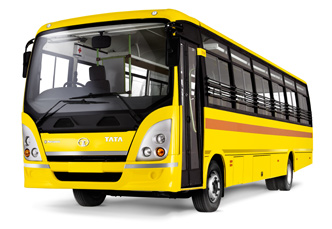
Certain bus manufacturers and models hold better resale value due to brand reputation, reliability, and availability of spare parts. Popular bus brands like Volvo, Force, Tata, Ashok Leyland, Safari, and Eicher are highly sought after in the second-hand market.
-
Age of the Bus
The age of the bus is a critical factor in determining its resale value. Newer buses tend to attract higher prices as they have longer usable life remaining, whereas older buses depreciate faster due to wear and tear.
-
Condition
Overall condition affects pricing significantly. Well-maintained buses with properly functioning engines, brakes, suspension, and electrical systems fetch better resale value. Vehicles with accident history, major repairs, or visible damage typically have lower resale prices.
-
Mileage
Lower mileage indicates less mechanical strain and often leads to a higher resale value. Buyers consider mileage as a measure of engine wear and operational efficiency.
-
Features and Amenities
Buses with advanced safety features, air conditioning, luxury seating, entertainment systems, and other amenities are more attractive in the resale market. The presence of these features can positively impact resale pricing.
-
Service and Maintenance History
Maintaining a documented service history enhances buyer confidence. Regular servicing, timely oil changes, and replacement of worn-out parts reflect careful upkeep and contribute to higher resale value.
-
Market Demand
The demand for certain bus models varies by region. For example, buses suitable for city transport, intercity travel, or tourist operations may have different resale values. Researching local demand helps in setting competitive prices.
-
Fuel Type
Buses powered by diesel, petrol, or CNG may have varying resale value depending on fuel efficiency, operational cost, and regional availability. Diesel buses are commonly preferred in fleet operations for their durability and fuel economy.
-
Documentation
Complete and verified documentation, including registration, insurance, emission certificates, and permits, positively impacts resale pricing. Buyers are willing to pay more for vehicles with proper legal compliance.
Tips for Getting the Best Resale Value for Your Bus
Maximizing the resale value of your used bus requires proper preparation. Here are practical tips:
- Keep detailed maintenance records and service logs to showcase the bus’s upkeep history.
- Address any mechanical issues or damages prior to selling. A well-maintained bus attracts higher offers.
- Provide accurate information about mileage, seating capacity, features, and modifications.
- Research current market prices for similar bus makes and models in your area.
- Clean and detail the bus, including interior, exterior, and engine compartment, to improve visual appeal.
- Highlight additional features such as AC, entertainment systems, safety equipment, and luxury seating when advertising.
- Use online resale platforms to reach a broader buyer base and compare offers for the best price.
Resale Pricing Process for Used Buses
The resale price is usually determined based on the combination of age, mileage, condition, and market demand. Sellers may also consider the original purchase price and depreciation. Engaging with multiple buyers or dealers allows comparison of quotes and ensures a fair selling price.
Many online tools provide **used bus resale calculators** where you can input details such as brand, model, year, mileage, condition, and amenities. These calculators estimate the resale, exchange, and scrap values, helping you make informed decisions.
Categories of Bus Resale Value
- Dealer Price: When selling to a dealer, the price is usually slightly lower than direct customer sales due to dealer margins.
- Exchange Price: When trading in an old bus for a new purchase, the dealer may offer a better price as part of the exchange deal.
- Customer Price: Direct sale to individual buyers generally offers the highest resale value but requires more effort and time.
Used Bus Resale Value Estimate | Exchange and Scrap Value
- Used Bus Resale Estimate Online
- Calculate the Best Price for Used Bus
- Calculate Exchange Value of Old Bus / Used Bus
- Used Bus / Preowned Bus Market Price Based on Condition
- Resale Value of Used Bus
- Old Imported Bus / Damaged Bus Resale Price in Market
- Bus Exchange / Trucks Resale Price Calculation for All Countries
- Resale Price of Bus
- Pre-Owned Bus Valuation | Market Value of Used Bus
- Best Resale Value of Used Bus
- Calculate Exchange Value of Used Bus
- Old Bus Resale Price Estimate
- Second-Hand Bus Resale Value
- Scrap Value of Used Bus
Scrap Value of Old Buses
Even buses that are no longer roadworthy have scrap value. Scrap value depends on metal content, usable parts, engine components, tyres, and batteries (for electric buses). Selling to authorized scrap dealers ensures proper disposal and partial recovery of investment.
The resale, exchange, and scrap value of a used bus are determined by multiple factors including brand, model, age, condition, mileage, features, fuel type, and local market demand. Preparing your bus properly, keeping records, and researching market trends can significantly enhance resale outcomes. Online tools and calculators help in estimating accurate resale, exchange, and scrap values, enabling sellers to make informed decisions and get the best returns.
From the above form, you can select the Bus Brand, Model, and fill in all fields to know the resale price. You can then get the resale value in three formats: Dealer, Exchange, and Customer. This helps fleet owners, school transport operators, and individual sellers understand the potential value of their buses in the market.
Frequently Asked Questions About Bus Resale, Valuation, and Exchange
How is the resale price of a used bus determined?
The resale value of a second-hand bus is calculated based on its brand make and model, manufacturing year, total kilometers driven, seating capacity, engine and transmission health, body condition, and current commercial market demand.
What documents are mandatory for selling or exchanging a used bus?
Essential paperwork includes the original Registration Certificate (RC), commercial vehicle insurance policy, valid fitness certificate, National or State route permits, tax clearance receipts, and signed RTO transfer forms (Form 29 and 30).
Can I exchange my old fleet bus for a new model at a dealership?
Yes, many commercial vehicle dealerships and major manufacturers offer vehicle exchange programs. They appraise your old bus and adjust its valuation as a down payment toward purchasing a brand-new bus or mini-bus.
How does the age and permit status affect a bus's resale value?
Commercial buses face strict regional limits regarding operational age and emission standards. A bus with a valid, transferable route permit and remaining life under local transport regulations will command a significantly higher resale price.
What is considered high mileage for a used commercial bus?
Because buses endure heavy continuous usage, a mileage reading exceeding 3,00,000 to 5,00,000 kilometers is common. However, if the engine has undergone timely overhauls and features documented maintenance logs, buyers will still offer a competitive price.
How can I increase the resale or exchange value of my old bus?
You can enhance its market value by deep-cleaning the interior passenger cabin, repairing body dents, replacing worn-out seats or flooring, ensuring smooth mechanical performance, and keeping all tax and insurance paperwork completely up to date.
Is it possible to finance the purchase of a second-hand bus?
Yes, various banks and non-banking financial companies (NBFCs) offer commercial vehicle loans specifically for pre-owned buses, subject to the vehicle's age, valuation report, and the credit profile of the buyer.
Who is responsible for clearing pending challans and road taxes during a bus resale?
The seller is legally required to clear all pending traffic challans, pending commercial road taxes, and green taxes before the vehicle ownership and RTO registration files are transferred to the new owner.
What are the most popular brands in the second-hand bus market?
The pre-owned bus market features strong demand for established commercial manufacturers such as Tata Motors, Ashok Leyland, Eicher, Force Motors, and SML Isuzu, spanning segments from school buses to luxury tourist coaches.
What is the role of a fitness certificate when transferring a used bus?
A valid commercial fitness certificate issued by the RTO is mandatory to prove the bus is roadworthy and safe for passenger transport. Selling a bus with an expired fitness certificate will heavily discount its price and complicate the ownership transfer.