Selling or exchanging a used microwave oven can be a smart way to recover part of your initial investment, especially if you are planning an upgrade. Whether you have a basic solo microwave, a convection microwave, or an advanced grill-cum-convection appliance, understanding how resale pricing works can help you get the best possible value. This detailed guide explains every factor that affects resale value, how to find the best selling channel, how to calculate a fair price, and the tips you can use to increase the resale value of your used microwave oven.
The demand for used microwave ovens has been increasing steadily over the past decade. Several factors contribute to this growth, including rising costs of new appliances, the need for budget-friendly options among students and small families, and the popularity of refurbished appliances offering the same performance at much lower prices. In addition, more people are moving into rented homes, hostels, and temporary accommodations, all of which drive significant demand for affordable second-hand appliances like microwaves.
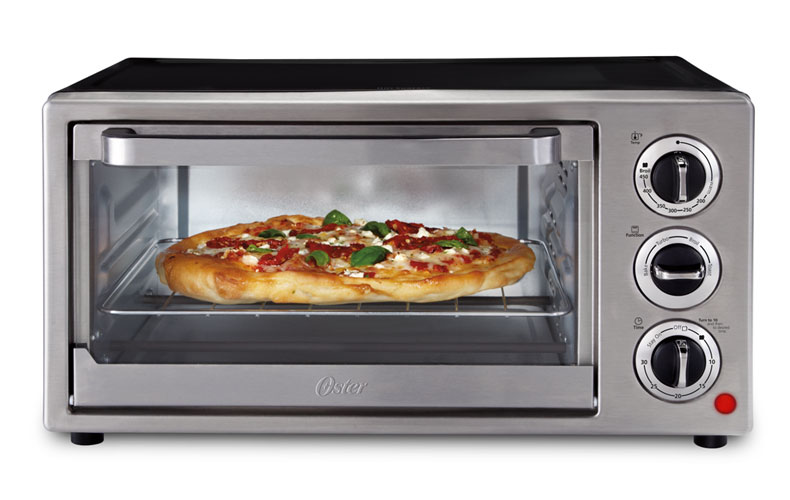
Another reason the used microwave market is thriving is durability. Modern microwaves are built with long-lasting components and high-quality materials, allowing them to function efficiently even after several years of use. This makes them attractive to second-hand buyers who want reliable appliances without spending too much. As a seller, this demand creates an excellent opportunity to sell your old microwave oven at a fair and profitable price.
Not all microwave ovens have the same resale value. Several important factors determine how much you can earn from your used appliance. Below is a complete breakdown of the major elements that influence the resale or exchange value.
The brand of your microwave plays a major role in determining its resale price. Popular and reliable brands such as Panasonic, IFB, Godrej, Electrolux, Oster, Samsung, LG, and Maytag generally enjoy higher resale demand as buyers trust these brands for durability and performance. Premium models with advanced features like convection cooking, grill modes, inverter technology, and pre-programmed menus tend to attract higher prices compared to basic models.
The overall condition of the microwave oven is one of the most critical factors. A clean, well-maintained appliance with minimal wear and tear always commands a better price. Microwaves with scratches, dents, cracked glass, or worn-out keypads often sell for less. Buyers want appliances that look neat and give the impression of being properly cared for.
Microwave ovens typically have a lifespan of 8–12 years. Generally:
A newer appliance is more energy efficient, safer, and more technologically advanced, which makes it appeal more to second-hand buyers. Always disclose the correct year of purchase.
A microwave oven that performs all functions perfectly—heating, grilling, convection baking, defrosting will always attract a high resale value. If your appliance has additional cooking modes like auto-cook menus, child lock, humidity sensors, inverter power control, or combination heating, make sure to mention these features, as they significantly increase the perceived value.
The aesthetic look of the microwave matters more than people expect. An appliance that looks clean, shiny, and well-kept appeals more to buyers. Dents, faded colors, discoloration, rust on the interior, damaged buttons, or cracked turntables can drastically reduce the resale price.
Modern energy-efficient microwave ovens consume less power and perform better. Buyers often look for features like inverter technology or lower wattage usage to save on energy bills. If your microwave has an energy-saving mode or updated technology, highlight this during the sale.
Providing the original bill, warranty (if still valid), user manual, turntable ring, grill rack, and other accessories can significantly increase the resale value. Buyers feel more confident when the complete set is available, especially for convection microwaves.
Below is a general pricing guide to help estimate the value of your microwave based on age and condition:
Premium brands like Panasonic, IFB, LG, and Electrolux often sell at higher resale values compared to generic brands because of better performance and longer durability.
Certain issues can significantly lower the value of your microwave oven. Some buyers may reject appliances with the following problems:
If repairing these issues is inexpensive, it may be worth fixing them before selling, as doing so can improve the resale price by 20% or more.
There are multiple options for selling your microwave, depending on whether you want higher pricing or a quicker sale.
Selling directly through platforms like OLX, Quikr, Facebook Marketplace, or neighborhood groups ensures maximum profit. Buyers often prefer purchasing directly from owners because it offers better prices and a transparent inspection process.
Dealers offer lower prices but provide quick pickup and easy transactions. This method is ideal if you want to sell quickly without negotiating or dealing with multiple inquiries.
Retailers often allow customers to exchange old appliances for discounts on new models. Although exchange value is lower than direct selling, it is a convenient option when buying a new microwave oven.
If your microwave oven is not working, scrap dealers may still buy it for its metal parts, wiring, and motor. Scrap value is the lowest but suitable for non-functional or very old appliances.
Some brands consistently deliver strong resale value due to durability, performance, and high customer trust:
Use these strategies before listing your microwave for sale to get the best possible price:
Non-working microwaves still have scrap value due to metal components, transformer, wiring, and the magnetron. Scrap dealers usually pay based on:
Determining the resale value of your microwave oven becomes easy when you understand the factors that influence pricing. By maintaining your appliance well, cleaning it thoroughly, researching local prices, and choosing the right selling platform, you can secure a fair and profitable resale price. Whether you're selling to a dealer, exchanging for a new model, or dealing directly with customers, knowing the true value of your microwave ensures you get the best deal and a hassle-free selling experience.
A microwave's resale or exchange value is calculated based on its original purchase price, current age, brand reputation, type (solo, grill, or convection), and functional condition (heating efficiency and control panel response).
Like most kitchen appliances, a microwave generally loses about 20% to 30% of its value in its first year, retaining roughly 30% to 50% of its initial cost after 3 to 5 years, depending heavily on brand demand and usage.
Yes. Convection and grill microwaves feature advanced multi-cooking technology and generally command higher second-hand exchange values compared to basic solo heating microwaves.
Trusted brands known for durability and widespread service networks—such as LG, Samsung, Panasonic, IFB, and Godrej—typically hold their residual market value much better than lesser-known or generic brands.
Microwaves typically have an average operational lifespan of 8 to 12 years. Units under 3 years old fetch the highest market returns, while units older than 6 years see steep declines in pricing due to normal electronic aging.
Yes, but cosmetic flaws like heavy exterior scratches, internal food stains, or rust patches will significantly lower the final quote. Clean, spotless appliances always secure better offers.
Critical issues such as a completely broken magnetron (failure to heat), a cracked glass door, a non-functional control touchpad, or severe electrical short circuits usually render the appliance fit only for basic scrap value.
Yes. Providing the original purchase invoice, user manuals, warranty card (if applicable), turntable glass plate, and roller ring builds buyer trust and can push valuation toward the higher end of the estimate range.
Selling through direct online peer-to-peer classifieds often yields higher cash returns. However, trading it in through appliance exchange programs or online doorstep pickup services offers instant convenience and saves time.
You can verify its performance by placing a microwave-safe glass of water inside for one minute. If the water heats up evenly and quickly without unusual buzzing noises or sparking, the magnetron and wave stirrer are functioning correctly.
Perform a deep clean by removing greasy food splatters using a mixture of vinegar and water or a safe kitchen degreaser, wiping down the rubber door seals, and ensuring the glass turntable is spotless and rotates smoothly.
Non-working microwaves have zero functional resale value, but they can still possess minor component or scrap value based on the weight of internal copper wiring, transformers, and metal framing if sold to recycling channels.