Looking for the best resale price for your old Air Conditioner (AC), Air Cooler, or HVAC unit? Use our AC Resale Price Calculator to estimate the market value of your used AC based on factors like age, cooling capacity (tonnage), energy star rating, type (Window AC or Split AC), and overall condition of both the indoor and outdoor units. The material of the cooling coil (copper or aluminum) also plays a key role in determining the resale value.
Our Air Conditioner Resale Price Calculator helps you determine the resale or exchange value of your used AC, Air Cooler, or HVAC system. The calculator provides an accurate market estimate based on factors such as brand, capacity, energy efficiency, coil type, and the physical condition of your unit. Get a realistic estimate of your AC's resale value before selling or exchanging it.
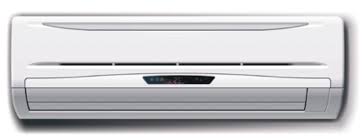
If you are looking to sell or exchange your old air conditioner, this calculator helps you determine the best possible resale price. Whether you have a Window AC or Split AC, you can estimate the exchange value and resale price easily.
Our calculator allows you to input details like the cooling capacity (in tons), star rating, coil type (copper or aluminum), and the overall condition of the indoor and outdoor units. Based on these parameters, the tool will provide an estimated resale value for your AC.
The resale value of a Window AC and Split AC can vary significantly based on their brand, cooling capacity, and energy efficiency. Our calculator will help you evaluate the current market value of your Window or Split AC unit.
If your air conditioner is no longer working, you can still estimate its scrap value or value as a non-functional unit. The value depends on the condition of individual components such as the compressor, coils, and other parts.
Find out the resale value of both the indoor and outdoor units of your air conditioner. Whether you want to sell the units separately or as a complete set, our calculator helps you determine their combined or individual worth.
Exploring the resale or exchange of your used air conditioner? Understand the factors that influence pricing with this guide:
Here's a basic formula for a quick estimate:
\[ \text{Resale Price} = \text{Original Price} - (\text{Age of Air Conditioner} \times \text{Depreciation Rate}) \]
Keep in mind that actual resale value can vary based on specific circumstances and local market conditions. Before selling or exchanging your air conditioner, research comparable models, assess its condition honestly, and be transparent about its features and history to get a fair and competitive price.
The resale value of a used air conditioner typically drops to 30% to 50% of its original retail price after 2 to 3 years. Value depends heavily on cooling capacity (tonnage), energy efficiency rating (star rating or SEER), brand reputation, and whether it is a window AC, split AC, or portable unit.
Before purchasing a used AC, check for gas leaks, compressor health, cooling efficiency, abnormal noises or vibrations, water leakage indoors, and physical condition of the condenser coils. Always verify the age of the unit and request a demonstration if possible.
AC depreciation is calculated based on its manufacturing year, operational hours, maintenance history, and energy efficiency standards. Older units depreciate much faster because newer models consume significantly less electricity.
Yes, broken or dead air conditioners hold good scrap value due to the copper coils inside the condenser and evaporator, as well as the metal casing and compressor components. Local scrap dealers or HVAC technicians will often buy them for parts or metal recycling.
You can sell old air conditioners locally through classifieds platforms like Facebook Marketplace, OLX, or Craigslist, or by contacting second-hand appliance dealers and local HVAC technicians who refurbish and resell units.
Older or poorly maintained AC units often consume more electricity because dust buildup, worn-out compressors, and aging refrigerants lower their energy efficiency ratio, leading to higher monthly utility bills.
Inverter split AC units with high star energy ratings (such as 4 or 5 stars) and standard tonnages (like 1.5 ton for medium rooms) retain their resale value much better than older non-inverter window units or inefficient portable models.
Yes, uninstallation and reinstallation require a professional technician to safely pump down the refrigerant gas, mount the indoor and outdoor units, run copper piping, and test electrical connections, which usually incurs separate labor costs.
A newly purchased second-hand AC should be deep-cleaned and serviced immediately before installation. This includes washing the filters, pressure-washing the coils, and checking the refrigerant gas pressure to ensure optimal performance.
Many major electronics retailers and appliance showrooms offer exchange programs where they provide a trade-in discount on a brand-new AC purchase and handle the hassle of hauling away your old unit.